

The Sweet Spot Window for International Bookings
Book international flights 2-3 months ahead for the best balance of price and selection. Airlines release their cheapest seats during this window before demand drives prices up.
Booking too early (6+ months) often costs more because airlines haven't started competing on price yet. Waiting until the last minute usually means paying premium prices for whatever seats remain.
Tuesday and Wednesday departures typically cost 10-20% less than weekend flights. Airlines know business travelers book Monday and Friday flights regardless of price.
Seasonal Patterns That Impact Your Wallet
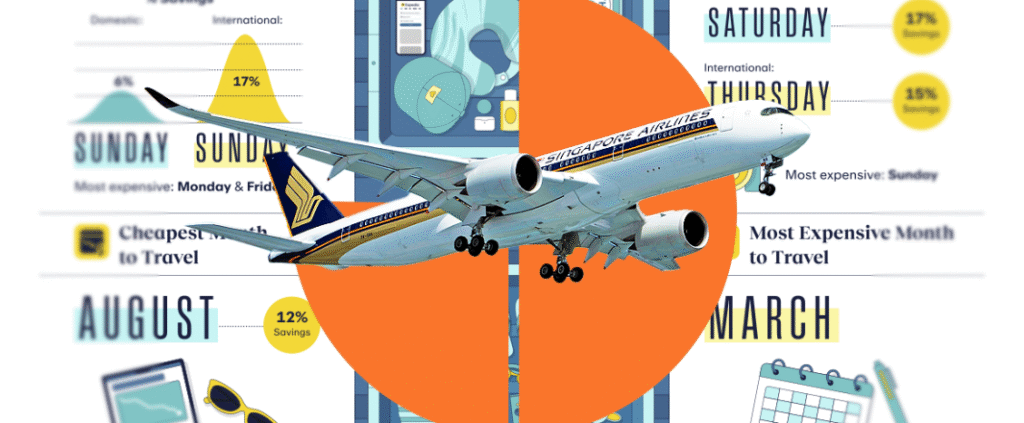 European destinations cost the least from November through March, excluding Christmas and New Year weeks. Summer flights to Europe can cost 40-60% more than winter bookings.
Asia follows the opposite pattern. Monsoon season (May-September) offers the best flight deals, while October through April sees higher prices during the dry season.
South America's seasons are reversed from North America's. Book flights for their winter months (June-August) to find the lowest fares.
Month-by-Month Booking Strategy
January and February offer rock-bottom prices for most destinations. Airlines compete aggressively to fill planes during the post-holiday travel slump.
March and April see gradual price increases as spring break and Easter approach. Book by mid-February if you're traveling during these months.
May through August represent peak season for most international routes. Prices jump 30-50% compared to winter months. Book these flights by March for decent rates.
September and October provide a second sweet spot for international travel. Families return from summer vacations, creating less demand and lower prices.
Day-of-Week Booking Rules
Tuesday afternoons often bring the best deals. Airlines adjust prices based on Monday's booking data and competitor analysis.
Avoid booking on Sundays. Leisure travelers research flights over weekends, driving up demand and prices.
Clear your browser cookies before booking. Airlines track your searches and may increase prices for routes you've viewed multiple times.
Route-Specific Timing Tips
Popular beach destinations cost most during their dry seasons. Research climate patterns for your target location to avoid peak pricing periods.
Business travel routes (like New York to London) see price drops during local holidays when corporate travel decreases.
Emerging destinations often have volatile pricing. Book these flights as soon as you find reasonable rates.
Tools for Price Tracking Success
Set up price alerts 4-5 months before travel. Tracking tools like Google Flights and services on Searchnfly.com notify you when prices drop.
Compare multiple booking windows. Sometimes shifting your trip by one week can save $200-400 per ticket.
Consider nearby airports. Flying into secondary cities can cut costs significantly, even factoring in ground transportation to your final destination.
Smart timing turns international travel from a luxury expense into an affordable adventure.
